
You make sense,
even if life doesn’t right now
Individual therapy for adults and teens navigating trauma, grief, and identity exploration.
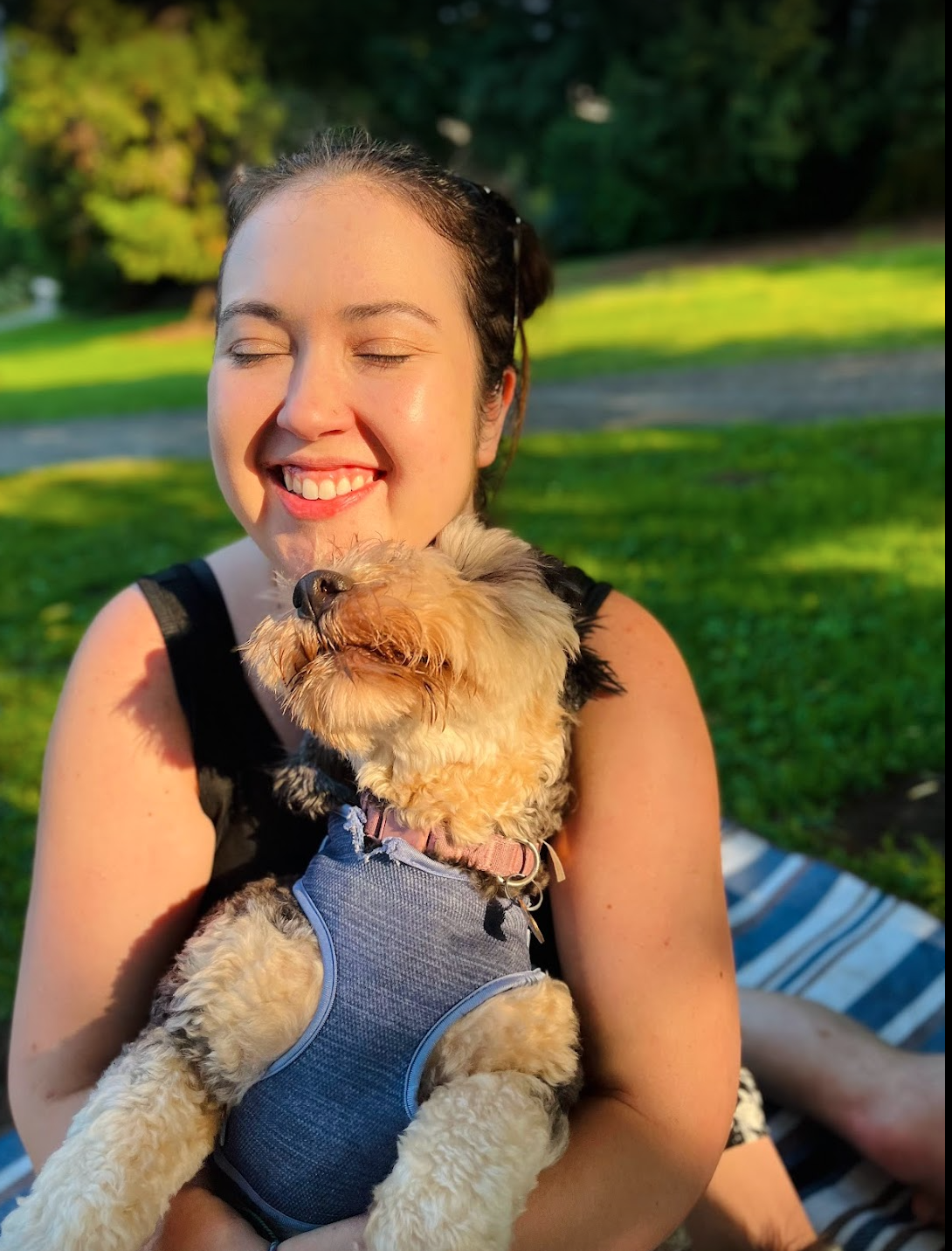
Meet Sarah Stewart, LICSW in Seattle, WA
About Sarah Stewart (she/her), licsw
You are not alone
My work is shaped by both my professional experience and my personal understanding of what it’s like to move through the world as a neurospicy and sensitive human.
I know how easy it can be to wonder if something is wrong with you, if you’re doing enough, or if you’re somehow too much. Much of my work holds the reality that we live in a world that wasn’t built with our unique brains, sensitive nervous systems, and the full range of human expression in mind. This deeply impacts how we relate to ourselves and others.
My background is in community mental health, and I’m committed to creating a culturally responsive, affirming space where people of all identities feel welcomed, respected, and taken seriously.
How I work
Human to human, where you are, without pressure or judgement
Sometimes people come to therapy knowing exactly what they want to work on. Other times, they arrive with a feeling that something isn't working, but can't quite put words to it yet. Either way, you don't need to have it all figured out before we begin.
Sessions with me tend to feel conversational, collaborative, and responsive to what feels most important in the moment. Rather than following a strict agenda, we'll pay attention to what's showing up and make space for the thoughts, emotions, questions, and experiences that need your attention.
I work from the belief that you're the expert on your own life. My role isn't to tell you who you are or what you should do. Instead, I'll offer support, perspective, and curiosity as we explore what feels stuck, overwhelming, confusing, or difficult to navigate.
Throughout the process, we move at a pace that feels manageable and respectful of your nervous system. There is room for uncertainty, laughter, hard conversations, and for taking things one step at a time.
Even after just a few sessions, clients often tell me they feel more able to be themselves, speak freely, and take a deeper breath. My hope is that therapy becomes a place where you feel less alone with what you're carrying and more connected to yourself, your experiences, and what matters most to you.
Guiding Principals
What I believe about healing and change
Struggling with your mental health does not mean something is wrong with YOU.
Much of what you’re experiencing makes sense in the context of your life, relationships, and the world you’re navigating.
The ways you’ve adapted or survived were once necessary, even if they no longer feel that way.
Change doesn’t come from being pushed or “fixed,” but from safety, understanding, and choice.
Sometimes all it takes is saying the hard things out loud in a trusted space to ease overwhelm, shame, and self doubt.
Therapy is not about becoming someone new, but reconnecting with who you already are.

Areas of Focus:
Trauma
Grief
Identity

Education and Credentials
Licensed Independent Clinical Social Worker (LICSW)
Washington State License: LW#61615078
Master of Social Work, University of Washington
Certified in Trauma-Focused Cognitive Behavioral Therapy (TF-CBT)